
Immediate Steps at the Scene
What to do in a car accident starts in the first two minutes at the scene. Everything you do - or don't do - right after the collision shapes what comes next legally and medically. Follow these steps in order, even if the crash seems minor.
- Check for injuries and call 911 if anyone is hurt or if vehicles are blocking traffic unsafely
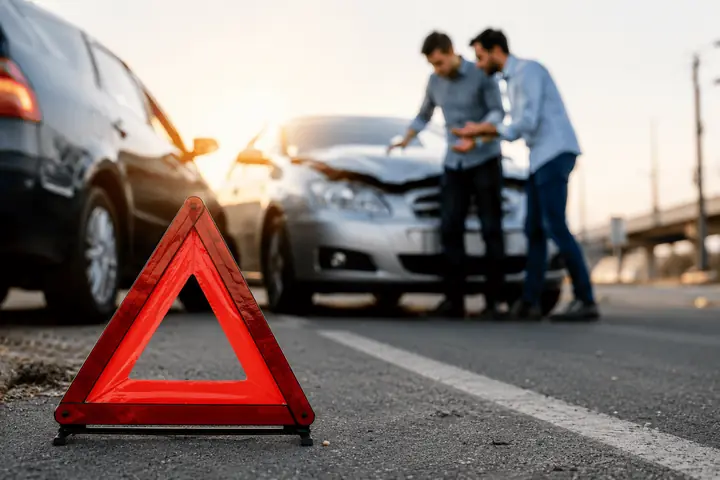
- Move to the shoulder or a safe area and switch on hazard lights if you can do so without risk
- Exchange information with the other driver - full name, licence number, insurance company, policy number, and a description of their vehicle
- Document everything - photos of both vehicles from multiple angles, road and weather conditions, time and date, and contact details of any witnesses present
- Report to police if required - Ontario law requires reporting when anyone is injured or when total property damage reaches $5,000 or more; in Toronto and several other municipalities, you must attend a Collision Reporting Centre in person within 24 hours if police did not respond to the scene
What to do in a car accident when you're shaken and adrenaline is running: go through that list in order. The documentation step is the one people most often skip, and it's the one that creates the most problems later with insurers and in court.
Be Cautious of Unsolicited Tow Trucks or Cash Offers
Tow trucks sometimes appear at accident scenes without being called - occasionally within minutes of impact. Before authorizing anything, confirm who requested the tow and where your vehicle is being taken. Get repair estimates in writing before any work begins.
If someone at the scene offers cash to settle without involving insurance, decline. A verbal cash agreement at the scene waives your right to any future claim, including for injuries that show up days later.
What to Do If You're Injured in a Car Accident
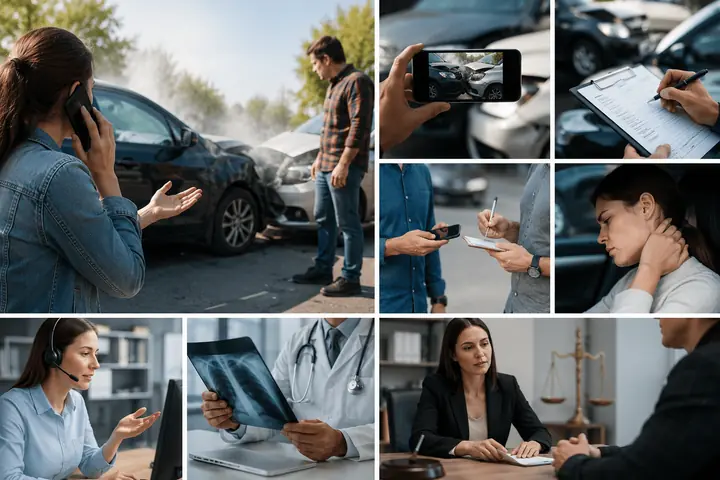
What to do if injured in a car accident: get medical attention the same day, even if pain seems minor or manageable. Soft tissue injuries, concussions, and spinal problems frequently don't produce significant symptoms until 24 to 72 hours after the collision - waiting creates a gap that insurers can use to dispute the link between the accident and your injury.
What to do if injured in a car accident also means keeping every document: emergency room notes, prescription receipts, physiotherapy records, and a log of time missed from work. These records are the foundation of a Statutory Accident Benefits claim under Ontario's SABS framework.
Notifying your own insurer promptly is also part of what to do if injured in a car accident. Ontario requires accident benefits applications to be submitted within a specific window after the collision. Missing that window doesn't automatically end your claim, but it adds complications you don't need. Ask a lawyer about your exact deadlines as early as possible.
What to Do After a Car Accident That Wasn't Your Fault
What to do after a car accident not your fault starts with understanding how Ontario's no-fault system actually works. Accident benefits through your own insurer are available regardless of fault - meaning even if the other driver clearly caused the collision, you file your initial benefits claim with your own insurance company, not theirs.
What to do after a car accident not your fault also means understanding that fault for insurance purposes is determined afterward under Ontario's Fault Determination Rules, not by anything said or agreed to at the scene.
Separately from accident benefits, a tort claim against the at-fault driver's insurer may be an option, subject to Ontario's injury threshold test and a statutory deductible that applies to general damages. These are two distinct legal tracks. What to do after a car accident not your fault when you're weighing both: speak with a lawyer before making decisions about either path.
What to Do After a Minor Car Accident
What to do after a minor car accident follows the same core steps as any other collision - exchange information, document the scene, and report if the threshold is met. The instinct to handle a small fender-bender informally is understandable but risky.
Key steps to follow after any minor collision in Ontario:
- Exchange full driver, vehicle, and insurance information even if damage looks minimal
- Take photos before either vehicle moves
- Note witness names and contact numbers
- Check whether the $5,000 property damage reporting threshold applies
- Get a medical check within 24 to 48 hours, especially after any rear-end impact
- Notify your insurer of the incident, even if you don't plan to file a claim right away
What to do after a minor car accident also means resisting pressure to skip the insurer. A verbal agreement at the scene has no legal weight if the other driver later reports things differently or if repair estimates come in higher than expected.
What to Do When There's No Visible Damage
What to do in a minor car accident with no damage: exchange information regardless. Ontario's $5,000 property damage reporting threshold applies to the estimated total cost of all damage - not just what's visible on the surface.
Frame damage and structural issues often don't show until a shop puts the vehicle on a lift. What to do in a minor car accident with no damage also includes a medical check - low-speed rear-end collisions are among the most common causes of cervical spine injuries that produce no immediate symptoms.
What to Do If You're in a Car Accident Without Insurance
What to do if in a car accident without insurance depends on whose coverage is missing. If you were driving without insurance, the consequences in Ontario are significant - fines, potential licence suspension, and personal liability for damages. If the at-fault driver was uninsured or left the scene, your own policy may include uninsured or unidentified motorist coverage.
What to do if in a car accident without insurance in either scenario: don't assume you have no options and don't assume you're fully covered either. The rules are specific and vary by policy. Ask the lawyer ontario-car-accident-lawyer.ca matches you with about your exact situation.
What to do if in a car accident without insurance when the other driver is unidentified - a hit and run, for example - is a situation where your OPCF 44R family protection coverage or uninsured automobile coverage may apply. These aren't automatic and depend on your specific policy wording.
What Happens After a Car Accident in Ontario
What to do after a car accident in the days and weeks that follow generally moves through this sequence:
- Report the accident and seek medical care - both as soon as possible after the collision
- Statutory Accident Benefits (SABS) - file with your own insurer; these no-fault benefits cover medical expenses, rehabilitation, income replacement, and other losses regardless of who caused the accident
- Tort or liability claim - if the at-fault driver's negligence caused your injuries and those injuries meet Ontario's threshold, a separate claim against their insurer may be available; the standard limitation period under Ontario's Limitations Act is two years from the accident date
Your Options After a Car Accident
Understanding what to do after a car accident means knowing which legal path fits your situation.
| Option | What It Covers | Key Detail |
|---|---|---|
| Accident Benefits Claim | Medical costs, income replacement, rehabilitation | No-fault; file with your own insurer |
| Tort / Liability Claim | Pain and suffering, lost income, out-of-pocket losses | Must meet Ontario's injury threshold; statutory deductible applies |
| Small Claims Court | Property damage, lower-value disputes | Maximum $35,000 as of 2024 |
What to do in a car accident situation where multiple options apply: get legal advice before choosing a direction. The right path depends on your injuries, fault determination, and coverage.
How Our Matching Service Works
ontario-car-accident-lawyer.ca connects people hurt in Ontario car accidents with independent, licensed lawyers - free to use, no obligation, nothing to sign before the first conversation.
Tell Us What Happened
Complete a short form - where the accident happened, when, the type of collision, and whether injuries are involved. More detail means a better match.
We Match You With a Lawyer From Our Ontario Network
We identify independent lawyers in our network who handle Ontario motor vehicle claims and whose practice fits your situation. Every lawyer is licensed by the Law Society of Ontario.
Speak Directly With the Lawyer: Free, No Obligation
The initial consultation is free. You speak with the lawyer directly - not a screener - and get specific answers about your claim.
Decide How to Move Forward
There's no obligation after the consultation. You choose whether to retain the lawyer, seek a second opinion, or handle things yourself. ontario-car-accident-lawyer.ca costs nothing to use either way.
What Can Affect the Time and Value of a Claim
No accurate guide on what to do after a car accident gives specific figures - claims vary too much by case. Factors that influence both timeline and potential value include the severity and type of injury, how clearly fault can be established, the completeness of your documentation, the at-fault driver's coverage limits, and whether your injuries meet Ontario's threshold for non-pecuniary damages.
What to do in a car accident situation where you want a realistic picture: ask the lawyer ontario-car-accident-lawyer.ca matches you with. They're the only one who can assess your specific facts.
Why Use ontario-car-accident-lawyer.ca to Find a Car Accident Lawyer
Vetted, Independent Network
Every lawyer in the ontario-car-accident-lawyer.ca network holds an active Law Society of Ontario licence and focuses on personal injury or motor vehicle claims - not general practitioners who handle these cases occasionally.
Free to Use, No Obligation
There is no cost to use the matching service. The initial lawyer consultation is also free. Nothing is owed until you decide to retain someone.
Fast Matching
Most users are matched within one business day. If a limitation deadline or reporting window is approaching, flag it in your intake form and ontario-car-accident-lawyer.ca prioritizes accordingly.
We Are Not a Law Firm
ontario-car-accident-lawyer.ca is a lawyer matching service, not a law firm. Information on this page is general and does not constitute legal advice for any specific situation. ontario-car-accident-lawyer.ca does not provide legal advice or representation.
How We're Compensated
If you retain a lawyer through ontario-car-accident-lawyer.ca, we may receive a referral fee paid by the lawyer - not by you - and it does not affect your legal costs.